Children’s book
As the final assignment of the course ”Universell utformning av digital tillgänglighet” at Mittuniversitetet I chose to work with braille and the challenges vision (or lack there of) presents to the reader. The emphasis of the course is availability in design and this informed my choice to attempt bridging the gap between braille and normal print.
2026
Book and a template for printing
Mittuniversitetet

Process
Background
During the course it became clear to me that the issue with communication between seeing and non-seeing people needs to be adressed at an early stage in a child’s development. The problem with this is that if the parent has no experience with the way a visually impaired person experiences the world the distance seems unnecessarily large between parent and child. The same is true for a visually impaired parent and a seeing child.
Solution
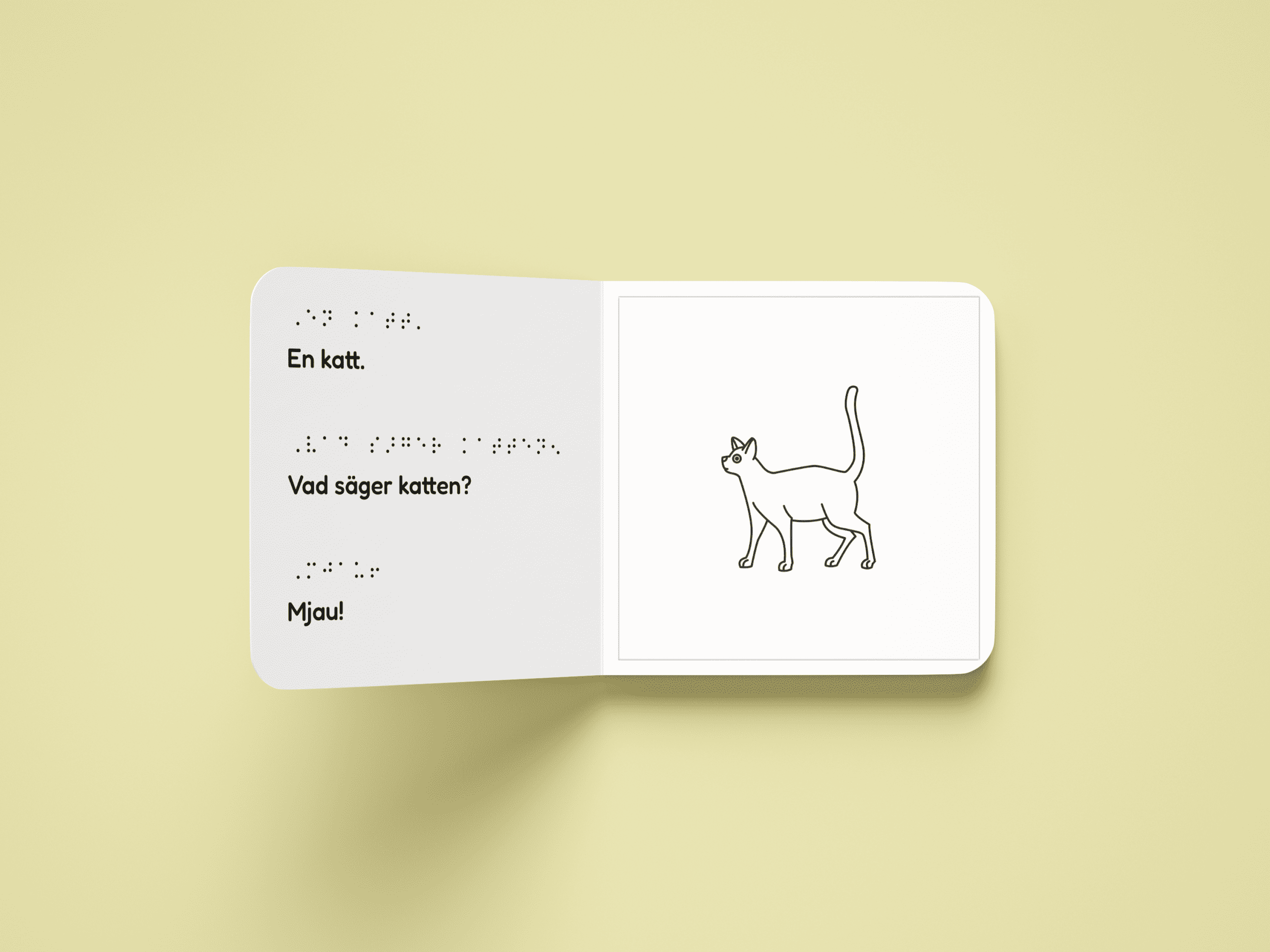
This book (or rather template for printing books) is meant as a way to bridge the gap between parent and child. All text contained in the book is printed first in braille and then followed by normal print. Everything is also printed both to be seen and felt at the same time. Black, 0,25 mm high raised print is used throughout. In this way the seeing reader can see what the non-seeing reader can feel and vice versa. With this the book serves to introduce two ways of viewing the world to one another.
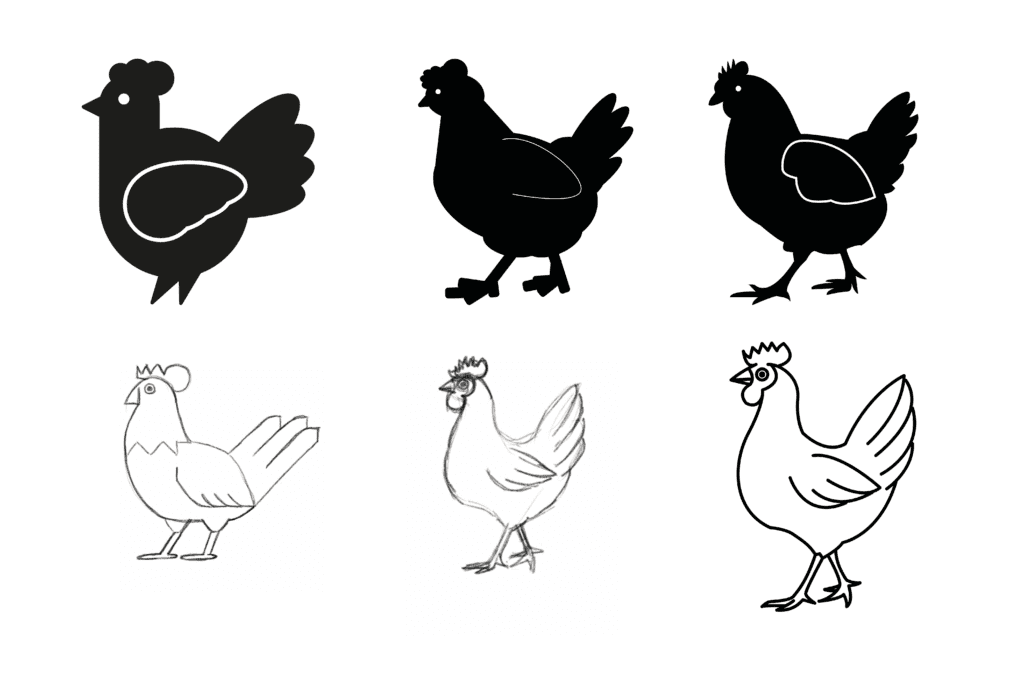
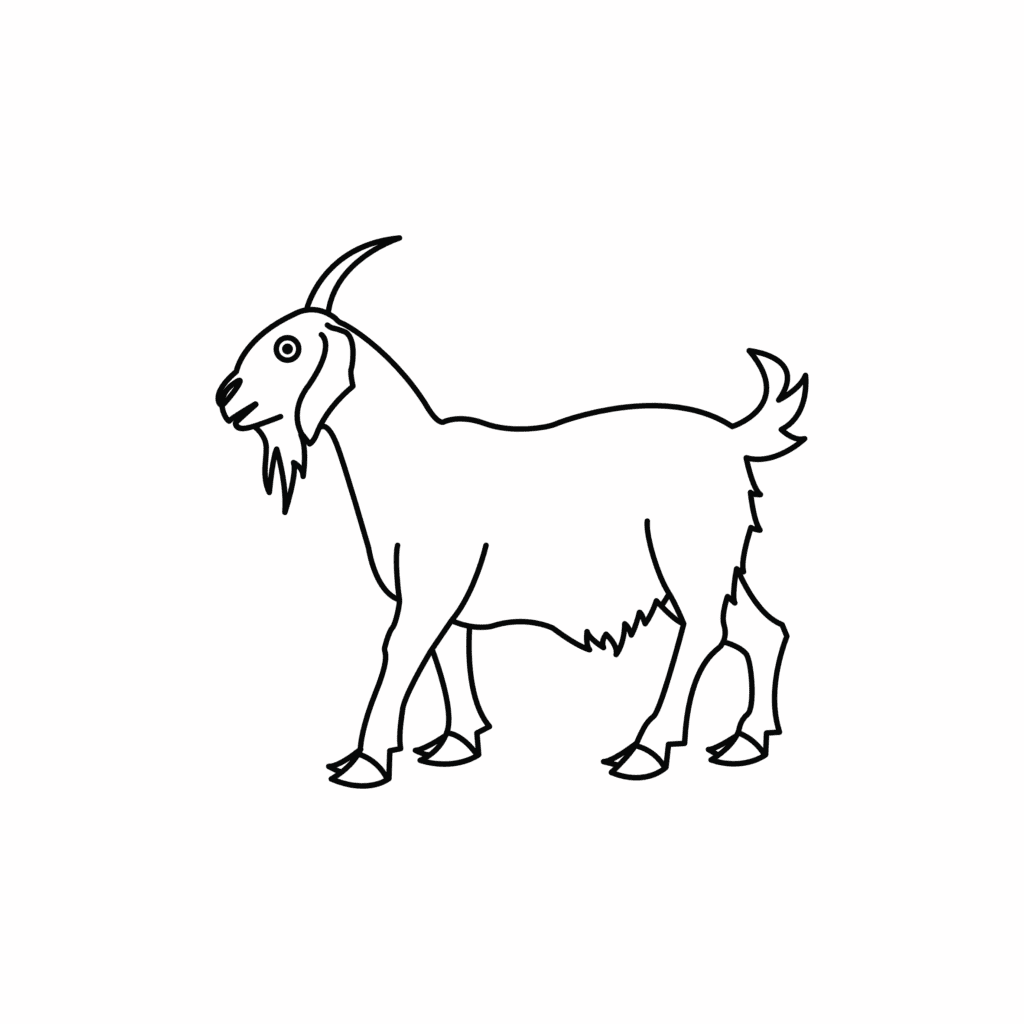
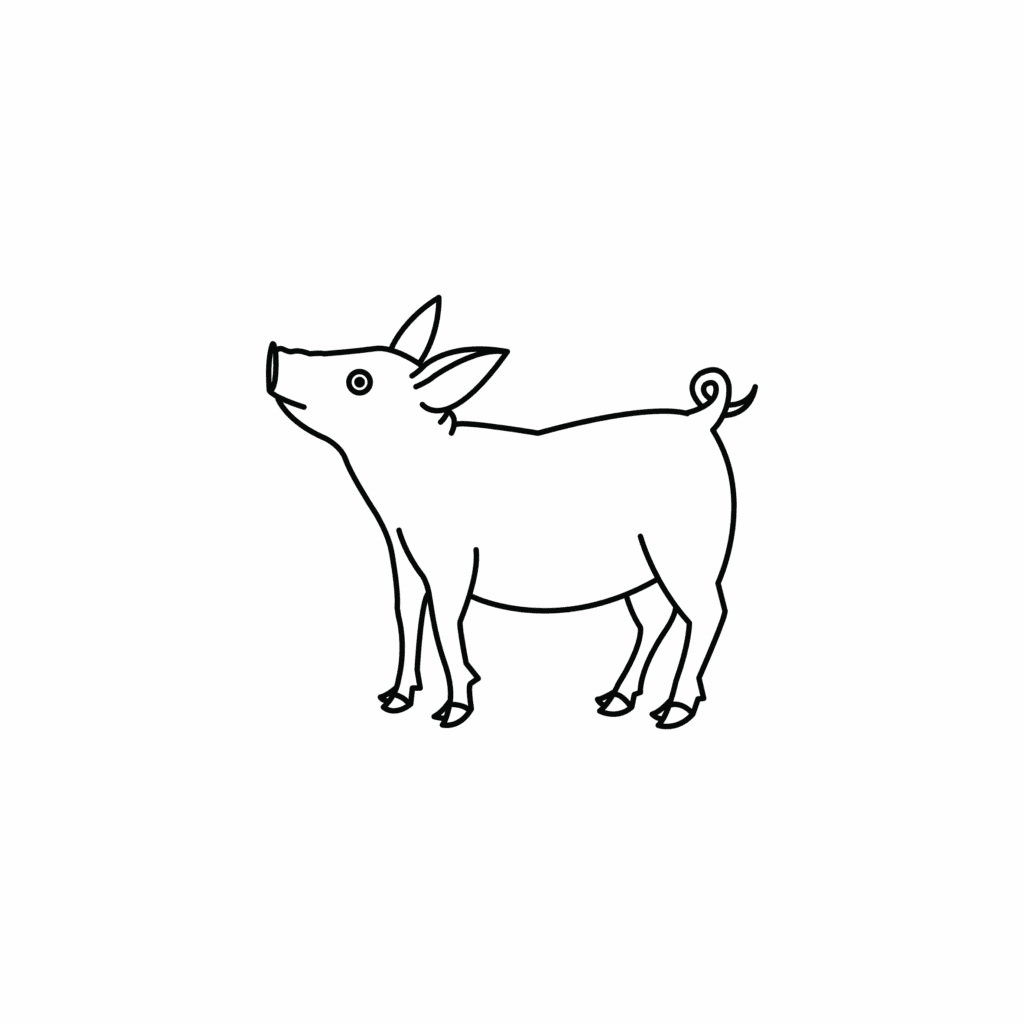
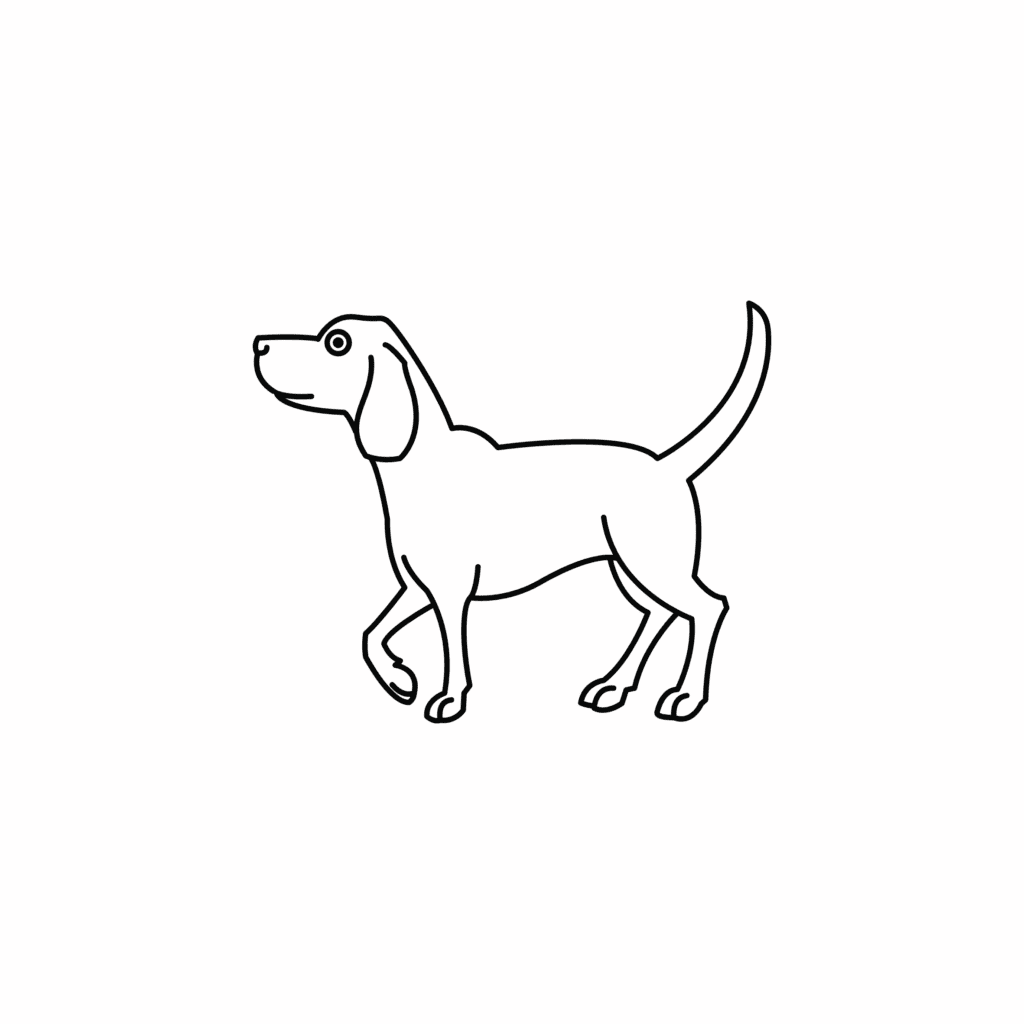
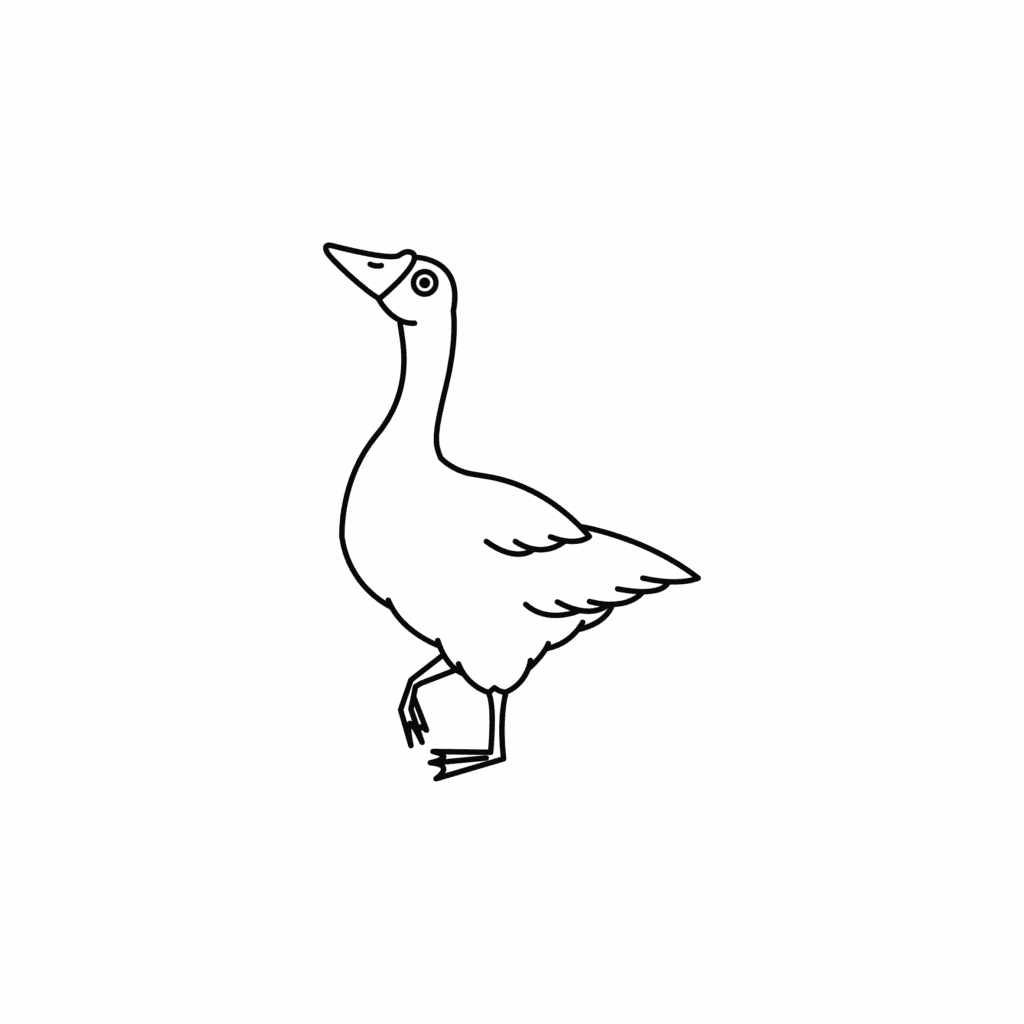
The illustrations have all been hand drawn in a way that keeps as many details as possible while leaning on an almost iconographic style to make reading them as easy with the finger as with the eye.
Another issue is wear and tear. This has been adressed by a 0,5 mm frame around each of the illustrations. With this innovation the book’s life will be extended by minimizing unnecessary rubbing- and pressure-related issues that a toddler might present.
This way of making books is applicable to any number of themes, be they animals, machines or household items. Hopefully it might help the seeing part of the population understand that it is to be visually impaired while also serving as a way to learn braille as a seeing person.